The physical kit

Gene regulation, made visible.

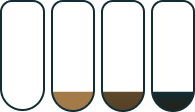
CRISPRkit's current classroom focus is a melanin-producing, cell-free CRISPRi experiment. Students compare four conditions — a negative control, positive control, no-guide sample, and guide sample — then use visible pigment as evidence.

  • Melanin focus
  • Cell-free
  • No DNA cutting
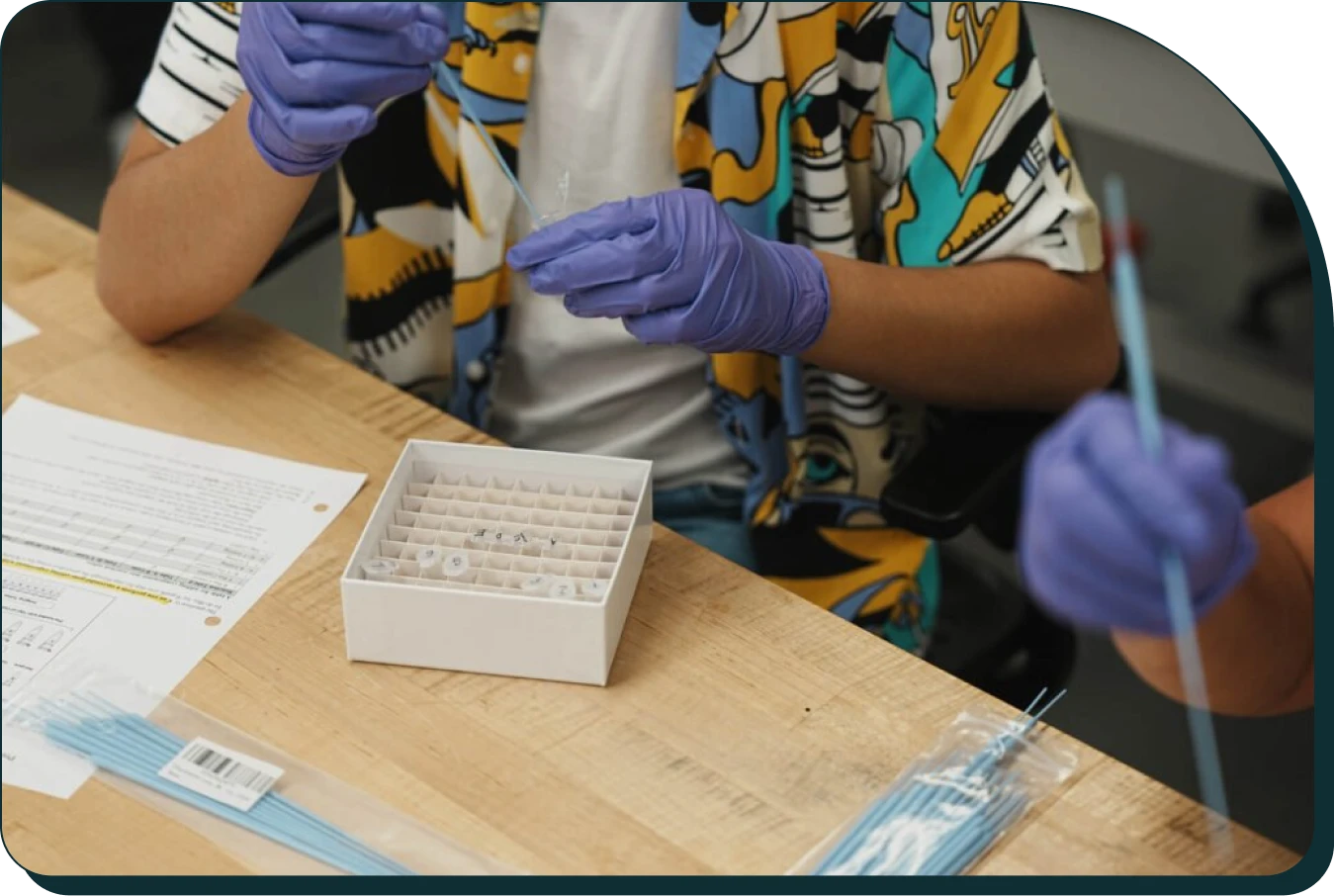
Students wearing gloves and transferring CRISPRkit reactions at a classroom table
From the CRISPRkit galleryStudents setting up kit reactions

Our Kit Offerings all built on visible outputs.

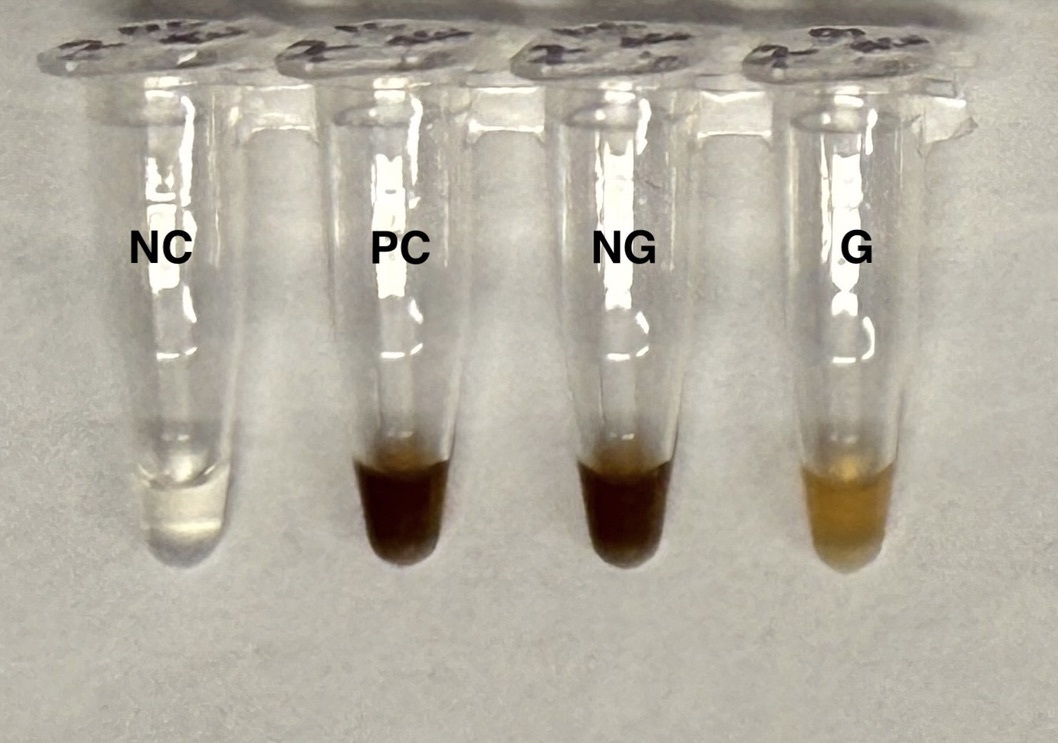
Melanin kit tubes labeled NC, PC, NG, and G: clear, dark brown, dark brown, and light amber
Primary classroom focus

Melanin kit

Our published melanin kit uses the melanin production pathway and integrates it into simple mechanisms that can be regulated with CRISPRi. Students compare negative and positive controls with guide and no-guide samples, then quantify pigment from a phone photo.
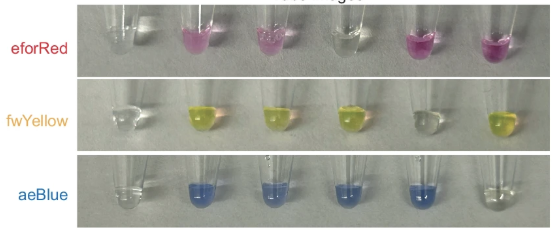
Rows of tubes showing eforRed, fwYellow, and aeBlue chromoprotein expression
Published module

Visible chromoproteins

Published chromoprotein modules use visible red, yellow, and blue proteins; the classroom dual-color experiment paired red and yellow.

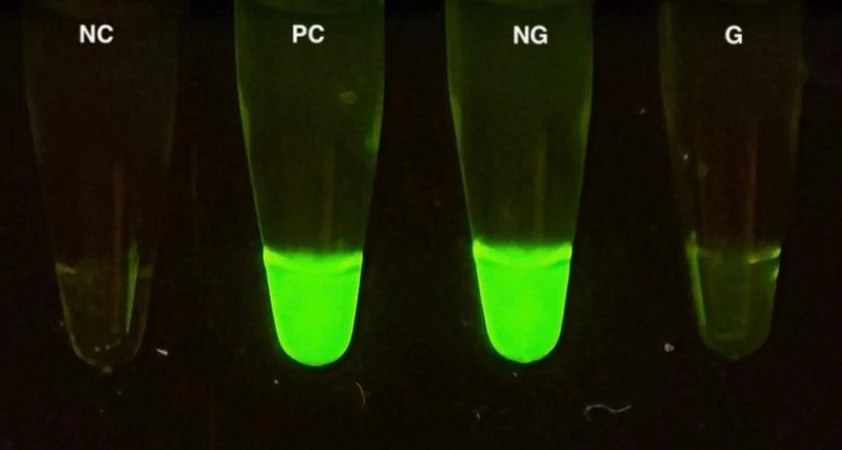
GFP kit tubes labeled NC, PC, NG, and G glowing green under blue light, with G dimmer than PC and NG
Newest offering

GFP kit

Our newest kit uses a GFP construct for a clear demonstration of CRISPRi with a reporter common in academic labs. It also demonstrates fluorescence for classrooms with access to readers!

The lab flow

Two days from
concept to evidence.

  1. Background

    Choose the target

    Learn how guide RNA selects a DNA target, cover key concepts, and begin predicting what each tube will do.

  2. Day 1

    Set up reactions

    Combine the cell-free system, dCas9, DNA, guide RNA, and controls using the current protocol.

  3. Day 2

    Let pigment develop

    The current melanin materials allow about two days for a visible readout to develop.

  4. Final

    Compare the conditions

    Photograph the four tubes and interpret expression in CRISPectra.

Inside the reaction

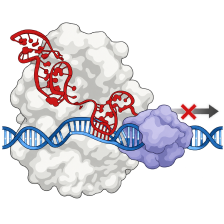
CRISPRi blocks transcription. It does not cut DNA.

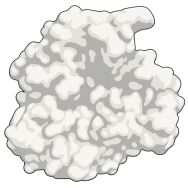
Nuclease-dead dCas9 binds a guide-RNA-selected DNA target and blocks transcription. Reduced transcription produces less pigment, making gene regulation visible.

  1. 01guide RNAselects target
  2. 02dCas9binds DNA
  3. 03transcriptionis blocked
  4. 04less pigmentresult is visible

Are students permanently editing DNA?

No. The classroom system uses dCas9 for CRISPR interference. It reduces transcription without cutting or permanently altering the target DNA — a safer and unique learning experience for students.

Work with CRISPRkit

Want
to Connect?

Connect with CRISPRkit about classroom pilots, curriculum, research, distribution, or access partnerships.

Work with CRISPRkit

Contact the team